
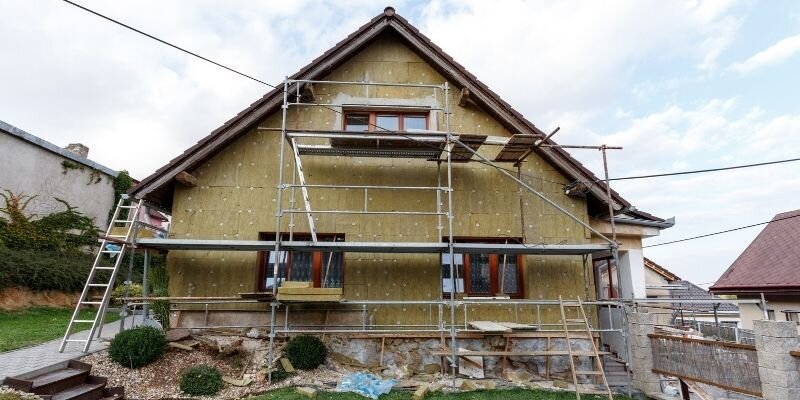
Most Texas homeowners I talk to have already done the math in their head. Twice. They’ve called a contractor, gotten a number that made their stomach drop, and then spent three sleepless nights wondering whether they’re sitting on a money pit or a sellable property. Selling a house that needs repairs in Texas feels like a trap when the estimates keep climbing. Wherever you are right now, you’re not alone, and the answer is simpler than you probably think.
What Is Your Main Goal When Selling a Home in Texas?
In June 2026, the median sale price for Texas homes sat at $342,900. That’s a useful anchor, but it doesn’t tell you what your specific house is worth in its current condition, or what the smartest path forward actually looks like. Before any of those questions get answered, you need to get honest with yourself about what you actually want out of this sale.
Some sellers care more about speed than price. A family dealing with a probate situation in Pflugerville or a landlord done with a rental in Oak Cliff doesn’t necessarily need top dollar; they need the thing gone so they can move forward. Other sellers are in less of a rush and want to squeeze every dollar out of the property, even if it means carrying it another six months (and paying taxes and insurance while they wait).
A while back, I bought a house from a young couple in Garland. They were three months behind on their mortgage, the auction date was already set, and they had a detached garage full of furniture they hadn’t touched since they moved in. We closed before the auction; they walked away with cash in hand, and the garage contents weren’t their problem anymore. Their main goal wasn’t maximum price; it was getting out clean. Once they named that goal out loud, the path was obvious.
Get clear on your actual priority. Price, speed, certainty, or some mix of all three. Every decision you make after that flows from this one.
Are You a First-Time Home Seller in Texas?
Skipping the research phase costs sellers far more than any repair they were trying to avoid. This applies just as much to first-time sellers as it does to buyers, and if you’ve never sold a property before, you’re probably underestimating how many hands reach into your sale proceeds before you see a dollar.
Selling as-is does not eliminate closing costs, and sellers should expect to give up somewhere between 6 and 10 percent of the sale price in total transaction costs. That range covers agent commissions, title fees, and any concessions made during negotiation. On a $300,000 house, that’s up to $30,000 gone before you’ve painted a single wall or replaced a single fixture.
The other piece that first-timers miss is the inspection contingency. Even buyers who want a fixer-upper will typically do an inspection, and when that report lands, they’re going to want negotiating leverage. Understanding that dynamic before you list means you can price smarter and get fewer surprises (especially on older mechanical systems).
Sellers who go in informed tend to walk away happier, not because they got a magic sale, but because nothing blindsided them. If you want a straight breakdown of your options before you commit to any path, my team at Hilltop Home Buyer will walk through the numbers with you at no cost and no pressure (and I mean zero pressure).
How Much Will You Actually Net Selling a House in Texas?

Your net sale proceeds are almost never the number you see on the contract. The gap between contract price and what lands in your bank account is one of the most consistently misunderstood parts of selling a Texas home, and nobody talks about it up front.
Pre-sale repairs on a house that needs real work often run into five figures. Stack that on top of closing costs and agent fees, and a seller who expected to net $280,000 from a $320,000 sale can find themselves staring at something closer to $240,000. The math gets uglier when deferred maintenance turns up during inspection.
What does your repair list look like in practice? Be specific. A hot water heater replacement is very different from a foundation problem. A cosmetic kitchen refresh has a completely different return on investment than ripping out mold-damaged drywall. Knowing the scope before you price the property means you control the conversation instead of reacting to it.
A mid-range kitchen remodel in the DFW area averages $25,000 to $35,000 and typically recoups 60 to 75 percent of that investment. It’s not a terrible return, but it’s not the slam-dunk most sellers assume before they see the actual numbers. Minor cosmetic updates, things like paint and hardware swaps (I’ve seen cabinet pulls alone do heavy lifting), usually deliver a better return per dollar spent than going all-in on a full renovation.
You must factor in carry costs too. Property taxes in Texas are collected in arrears, so those get prorated at closing regardless of which path you choose.
What Are Your Options for Selling a House That Needs Repairs in Texas?
A seller in Mesquite called me about a rental property she’d inherited from her mother. The roof had three layers of shingles, and the HVAC hadn’t been serviced in years. She’d assumed she had to fix everything before she could list, which meant she was looking at spending $40,000 she didn’t have before seeing a single offer.
She didn’t have to. Her actual options were: repair and list traditionally, list as-is on the MLS and price for the condition, or sell directly to a cash buyer. Each path has a different cost profile and a different timeline. The key numbers for her were how much cash she had available for repairs, how long she could carry the property, and what her minimum acceptable net was.
Cash offers on as-is properties in Texas generally land between 55 and 85 percent of the home’s market value, depending on condition. That’s a wide range, and where your house falls in it depends heavily on how much work it needs and how tight the local buyer pool is for your neighborhood. A distressed property in a desirable North Austin pocket will draw more competitive offers than the same condition house on a busy collector road in a softer market, which I’ve seen play out more times than I expected when comparing nearly identical houses a few miles apart.
Sellers sometimes treat the as-is cash offer as a last resort. It’s not always. When repair costs are steep, and your timeline is short, that offer can net more than a traditional listing that sits for three months and then requires concessions anyway.
Will Selling As-Is Make Buyers Lowball You in Texas?
Some sellers worry that going the as-is route signals desperation, and that buyers will smell blood and lowball accordingly. The concern is reasonable, but the situation is more complicated than a lot of people assume.
In 2025, 30 percent of Texas home purchases were all cash, a record high, according to the 2026 Texas Homebuyers and Sellers Report from Texas REALTORS. That’s nearly one in three buyers already planning to skip the bank loan and the appraisal process entirely. Many of those buyers are specifically looking for properties with work to do. They don’t need the house to be move-in ready. They need the price to reflect the condition, and they need a seller who won’t drag the transaction out.
What sellers often overlook is that a well-priced as-is listing can generate multiple offers, especially in neighborhoods where inventory is tight. More offers mean more leverage, which means you’re not stuck accepting the first number someone throws at you. Pricing your property correctly for its condition is what separates a quick, clean sale from a drawn-out negotiation that eats your profits.
At Hilltop Home Buyer, we work with Texas homeowners in situations like this every week. We make fair cash offers without asking sellers to make a single repair before closing. It’s worth at least knowing what that number looks like before you commit to spending money on the property.
Sell your home for cash in Texas and get a fair offer without the stress, delays, or complications.
Can Buyers Get Financing on a House That Needs Repairs in Texas?

The cash-buyer market also shapes how traditional buyers approach your property. A buyer using an FHA or VA loan has a stricter appraisal requirement, and properties with significant deferred maintenance can fail those appraisals outright. Lenders want collateral that holds value, so a house with a failing roof, active plumbing leaks, or an HVAC system on its last legs may not qualify for certain loan types.
In Texas, where air conditioning runs six to eight months annually, the remaining useful life of an HVAC system is a material factor in how buyers and their lenders evaluate the property. A unit that’s 15 years old and showing signs of wear can cause a conventional buyer’s lender to require repairs before closing. This throws a wrench into what looked like a clean sale.
This is why knowing your buyer pool matters before you list. If your property’s condition is likely to disqualify conventional or government-backed financing, you’re largely selling to cash buyers or to buyers who can bring renovation loan programs to the table. Price accordingly, and don’t be surprised when a buyer using a bank loan backs out after the inspection report comes in. This pattern repeats more often than most sellers realize.
Is the As-Is Discount Really Money Lost in Texas?
A property in poor condition is not automatically a bad sale.
Most sellers treat the as-is discount as pure loss, but that framing ignores what they’re giving up on the other side: contractor headaches, permit delays, material costs that keep climbing, and carrying costs while the work gets done. Choosing not to renovate isn’t leaving money on the table; it’s a deliberate trade of one type of expense for another.
As of June 2026, Texas had about 153,800 active listings and a 5.4-month supply, close to the six months analysts treat as balanced. Buyers have options. This is the current reality across the state. A property with deferred maintenance competing against move-in-ready homes in the same neighborhood needs to be priced honestly. Sellers who price as if they’ve made repairs they haven’t tend to sit, and every week on the market costs money.
Spending a weekend on landscaping and a fresh coat of neutral paint on the interior still makes sense for most properties. Not because it’s required, but because the return tends to justify the effort even in a soft market. You’re not renovating; you’re removing friction.
Do Repairs Add Back What They Cost in Texas?
A seller in League City had a contractor walk through and price out a full kitchen gut at $38,000. Then a separate contractor came in and said $52,000 for the same scope. He called me on a Tuesday afternoon, clearly frustrated, with the contractors’ estimates sitting on his kitchen counter and no idea which number to trust or whether the renovation was even worth pursuing given the real selling prices of comparable homes in his neighborhood.
The mismatch between contractor estimates and real sale outcomes is one of the most consistent patterns I’ve seen across Texas markets. Sellers assume renovation equals value, but buyers don’t always pay dollar-for-dollar for updates, especially in markets with lots of competing inventory.
Texas Property Code Section 5.008 requires sellers to provide written disclosure of property conditions, and that covers walls, roof, floors, doors, driveways, electrical systems, plumbing, and HVAC. That form needs to be completed honestly, regardless of whether you renovate or sell as-is. Skipping accurate disclosure creates legal exposure that lasts well beyond closing.
Foundation is a particular concern across North Texas, Central Texas, and the Gulf Coast corridor, where expansive clay soils cause movement in many homes, and can range from $3,000 for minor pier work to over $60,000 for severe differential settlement. If the foundation is your issue, get a structural engineer’s assessment before you do anything else. You need a real number, not a contractor’s ballpark.
What If You Still Have a Mortgage on the House in Texas?

For years, I assumed sellers with an existing mortgage were automatically under time pressure to chase the highest possible list price. I had that backward. The carrying cost of a mortgage, insurance, taxes, and utilities on a property you’re not living in adds up fast. Sometimes, the total cost of waiting for a higher offer exceeds the gap between the as-is offer and the traditional sale price.
If your property has a mortgage, your payoff amount is fixed and growing every month that carrying costs accrue. Run the actual numbers. Take the as-is offer you’ve received, subtract your mortgage payoff and closing costs, and compare that net figure against what you’d realistically net from a traditional sale after repair costs, holding time, and agent commissions. That math usually looks very different from what sellers initially imagine.
As of June 2026, Texas homes sold after an average of 62 days on the market, slightly above the 60 days recorded a year earlier. That’s just the time to contract, not to close, which adds several more weeks. If you’re carrying taxes, insurance, and utilities the whole way, the math on a fast cash sale is worth running.
Insurance is another piece that sellers often forget. Insurers may flag or surcharge a property with known deferred maintenance, and claims filed on the property during your ownership are part of what goes into the buyer’s review. Properties with open insurance claims can complicate a traditional sale, and buyers may request those records during their due diligence.
How Does Selling a House That Needs Repairs Work in Texas?
What happens on closing day when you sell a house as-is in Texas?
The process is more straightforward than most sellers assume. You accept an offer, sign a purchase agreement, and the buyer conducts their own inspection. On an as-is sale, the agreement specifies that you won’t be making repairs based on inspection findings; the price already reflects the condition. From there, title work runs concurrently, and both parties move toward a closing date.
Texas seller disclosure requirements are governed by Texas Property Code Section 5.008, and the TREC Seller’s Disclosure Notice covers structural condition, environmental hazards, flooding history, and material facts about the property. It also asks whether the property has had mold remediation, and if so, whether you have the certificate for it. You still complete this form on an as-is sale. An as-is label changes what repairs you’ll make after inspection; it doesn’t change your obligation to disclose what you know. If you’ve had roof leaks, plumbing issues, or HVAC problems, those go on the form. Full disclosure protects you far more than it hurts you.
Cash buyers close faster because they skip the bank loan, the appraisal, and much of the lender-required paperwork, which means a closing in two to three weeks rather than six to eight. For sellers who are managing time pressure from a pending foreclosure, a divorce, or a job relocation, that speed has real value.
This is what we do at Hilltop Home Buyer: buying properties in any condition so sellers can skip the repair process entirely. The TREC Seller’s Disclosure Notice is available directly from the Texas Real Estate Commission, and reviewing it before you list, or before you accept any offer, helps you stay on solid legal ground throughout the process.
We buy houses in Dallas and the surrounding areas, helping you sell your home quickly without the delays of a traditional sale.
Are You Working with a Real Estate Professional in Texas?
Not every agent is the same, and the one you used to buy your house in a hot 2021 market isn’t necessarily the right fit for selling a distressed property in a buyer’s market in 2026.
Agents who regularly work with fixer-upper properties know how to price for condition, how to write an as-is offer that protects both parties, and how to set expectations with buyers so the sale doesn’t fall apart after the inspection. Agents who primarily sell updated, turnkey homes sometimes struggle with those dynamics, leaving sellers to pay for that mismatch through price reductions and sale failures.
With inventory holding near a five and a half month supply, buyers have real leverage. An agent who prices your property without accounting for its condition relative to the competition is setting you up for a long, frustrating listing period. Get an agent who has closed on properties with foundation issues, dated kitchens, or deferred roof work (the kind that kills sales in week three), not just someone with impressive sales numbers from a different market environment.
If you’re not sure whether working with an agent or going directly to a cash buyer makes more sense for your situation, you can also see what a direct offer from us at Hilltop Home Buyer looks like and compare that number against what an agent realistically believes they can net you after commissions and repairs. Having both numbers at once makes the decision a lot easier. The Texas Real Estate Research Center at Texas A&M publishes regular market data that can help you calibrate realistic expectations for your area (especially in fast-shifting Texas markets) before you commit to any approach.
Thinking about selling? We’re here to make the process easy, transparent, and fair. Let’s help you move forward with confidence. Contact Us today.
Frequently Asked Questions
Is It Hard to Sell a House That Needs Repairs?
It’s not hard, but it does require honest pricing and realistic expectations about your buyer pool. Properties with significant deferred maintenance won’t appeal to buyers using certain loan types, so you’re often marketing to cash buyers, investors, or buyers bringing renovation financing. Price the property to reflect the actual condition, complete the required disclosure honestly, and the right buyer finds it. The difficulty usually comes from sellers pricing as if the repairs were already done.
How Long Are You Liable After Selling a House in Texas?
Your disclosure obligations under Texas Property Code Section 5.008 require you to disclose known material defects before closing, and that form matters after the sale, too. If a buyer later proves you knowingly concealed a material defect rather than simply being unaware of it, you can face legal exposure well after the transaction closes. Completing the TREC Seller’s Disclosure Notice thoroughly and honestly is the single best way to protect yourself from post-closing disputes. Your real estate attorney can advise you on the specifics of your situation.
Can a Home Seller Refuse to Make Repairs in Texas?
Yes. Selling as-is means you’re signaling upfront that the price reflects the property’s current condition and that you won’t be making repairs based on inspection findings. A buyer can still negotiate or walk away after their inspection, but you are not legally required to fix anything before closing. The disclosure requirement remains; you have to tell buyers what you know. You just don’t have to spend money fixing it.
What Repairs Are Actually Worth Making Before Selling?
Minor cosmetic work tends to outperform major renovation for return on investment, especially in the current market. Fresh neutral paint throughout the interior, cleaned-up landscaping, and any repair that directly affects the buyer’s ability to get financing, such as an active roof leak or a failing water heater, usually make sense. Full kitchen or bathroom remodels rarely return their full cost in sale price, particularly when the market is giving buyers negotiating power. Fix what affects habitability and livability; leave the rest to the next owner.
If you’re sitting with a house that needs work and you’re not sure which path makes the most financial sense, reach out and talk it through. No forms to fill out, no pressure to decide anything on the spot. Sometimes, just running the numbers out loud with someone who’s bought a lot of Texas homes makes the right answer pretty clear.
Helpful Texas Blog Articles
- Selling Your Texas Home With Foundation Problems
- How to Sell a House With a Lien in Texas
- What happens to my escrow when I sell my house in Texas?
- How To Avoid Capital Gains Tax When Selling Your House In Texas?
- Can You Sell a House with a Mortgage in Texas
- How To Sell Your House Without A Realtor In Texas
- What Sellers Should Know About Lender-Required Repairs
- Selling a House That Needs Repairs in Texas
- Can You Sell a House With Termites in Texas
- Tenant Damage to Property in Texas
- How Long Does It Take to Sell a House in Texas