
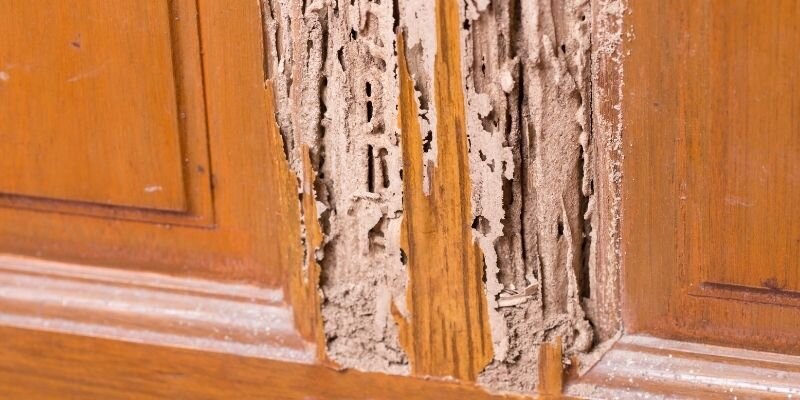
Mud tubes along the foundation, hollow-sounding baseboards, a door that suddenly won’t close right. Sellers across Texas discover termite problems at the worst possible moment, usually right after they’ve already told family they’re moving. Almost always, the question that follows is the same: Does this kill the sale?
The short answer is no. The longer answer is that it depends on what you do next.
Selling a Texas Home with Termites: What You Need to Understand First
Skip the disclosure, and you could be facing a lawsuit years after closing. Sellers rarely fully weigh that consequence until they’re sitting across a kitchen table from an attorney. Texas Property Code Section 5.008 requires sellers of a home with no more than one dwelling unit to give the buyer a written Seller’s Disclosure Notice on or before the effective date of the contract. Termite damage and treatment history land squarely on that form.
The Texas Real Estate Commission (TREC) Seller’s Disclosure form specifically asks about active termites, termite damage needing repair, previous termite damage, and previous termite treatment. Four separate checkboxes exist where silence or a misleading “no” can come back to bite you.
Buyers already have leverage in this market, so this matters. In June 2026, Texas homes sold for a median price of $347,911, and the median days on market were 69 days, up 3 days year over year. Buyers are taking their time, negotiating harder, and ordering thorough inspections. A termite problem surfaced by a buyer’s inspector, instead of being disclosed upfront by the seller, puts the seller in a much weaker position at the negotiating table, and I’ve watched sales reprice significantly in the final 48 hours because of exactly that sequence.
Transparency from day one is the right move. Sellers who try to hide damage or downplay treatment history run a real risk of a sale collapsing at inspection, or worse, a legal claim after closing. Disclosure forms exist to protect buyers, yes, but handled correctly, they protect sellers too (and their peace of mind).
Dealing with termite damage? Get a fair cash offer and sell your home for cash in Texas without making costly repairs.
What Causes Termites in Texas Homes?
For years, I thought subterranean termites were really only a coastal issue. That was wrong. They’re a statewide problem, and everything from the Houston Ship Channel corridor to the Hill Country to the Panhandle sees activity.
Termites are active across Texas, from Amarillo to Midland, across the Dallas-Fort Worth area, and down to San Antonio, Houston, and Corpus Christi, with both subterranean and drywood termites known to damage homes throughout the state. The conditions that drive infestations are baked into the Texas climate itself. Heat, humidity, wood-to-soil contact, and aging wood structures all create an environment where colonies thrive, and older pier-and-beam foundations make that last factor especially common.
Formosan termite infestations have been confirmed in 30 counties across the eastern half of Texas, including Harris, Dallas, Tarrant, Travis, Galveston, and Bexar counties, among others. Houstonians deal with Formosan subterranean termites particularly often because the city’s Gulf Coast humidity gives colonies the moisture they need year-round.
Eastern subterranean termites build mud tubes to travel above ground, while drywood termites, though less common than Formosan and Eastern subterranean species, live directly inside dry wood without requiring soil contact. The distinction matters when it comes time to treat, because drywood termites often call for fumigation rather than a soil barrier.
Common causes include old pier-and-beam foundations with wood close to the dirt, poor drainage that keeps soil around the foundation moist, and firewood or lumber stored flush against the house. In older neighborhoods like Montrose in Houston or Fairmount in Fort Worth, the combination of mature trees, aging wood structures, and established moisture patterns creates exactly what termite colonies look for, which means a house that’s stood for 80 years has had decades to develop every condition termites prefer.
Warning Signs Your Texas Home Has Termite Damage

A seller in Katy listed their home on a Thursday, felt great about showings over the weekend, and by Monday, their buyer had pulled out. Buried under carpet and drywall, subterranean termite damage in three floor joists under the master bedroom went unnoticed until the inspection report identified it.
Sellers often miss the signs because termites rarely work where you can see them. Mud tubes running up concrete block walls or along foundation piers are one of the clearest indicators of subterranean activity. These pencil-thin tunnels are how subterranean termites travel from soil to wood without exposure to open air, so inspectors check those hidden spots before anywhere else.
Other signs: wood that sounds hollow when tapped, especially along baseboards or door frames. Floors that feel spongy underfoot. Paint that bubbles or blisters in a pattern that doesn’t match water damage. Small piles of what looks like sawdust, which are actually termite droppings called frass, are a telltale marker of drywood termites. Swarmers, the winged reproductive termites, often appear near windows and light fixtures in the spring, and finding discarded wings inside the house (I’ve seen them collect on windowsills) is a strong sign a colony has already moved in.
A Wood Destroying Insect Report (WDI) is an official inspection document required by the Texas Department of Agriculture; it reports the presence of insects like termites and checks for subterranean termites, drywood termites, and dampwood termites. If you’re unsure whether you have a problem, ordering a WDI before listing is a smart move. It gives you a clear picture and demonstrates good faith to buyers.
What Are the Disclosure Requirements for Termite Damage in Texas?
One piece of this that most sellers don’t realize until they’re mid-contract: a treated and fully remediated termite infestation still has to be disclosed. Fixing it doesn’t erase the history.
A treated termite infestation is still a history of termites; sellers must disclose both the original problem and the repair. This applies even if the treatment happened years ago and a pest company gave you a clean bill of health afterward. Texas law asks what you know, not just what’s currently active.
Texas seller disclosure requirements are governed by Texas Property Code Section 5.008, which requires sellers of residential property with no more than one dwelling unit to deliver a written Seller’s Disclosure Notice to the buyer. You complete the notice to the best of your knowledge as of the date you sign it, which is the standard the statute itself sets.
Failure to disclose known termite issues can result in legal action, and a buyer can bring that claim years after the sale. That risk doesn’t expire at the closing table.
What most articles leave out is this: real estate professionals are also bound by disclosure obligations. A realtor who knows about termite damage and fails to communicate it to a buyer can face their own liability separate from the seller’s. So sellers who think they can quietly omit the information and let their agent carry the sale through are putting two people at legal risk, not one. Transparency is legally required, and it’s the only strategy that holds up.
How Much Does Termite Treatment and Repair Cost in Texas?

Around $500 is what many Texas homeowners pay for a standard liquid barrier treatment, but that number hides a wide range that sellers need to understand before pricing their home.
Termite treatment in Texas typically runs between $290 and $1,150, with costs varying based on infestation severity, treatment type, and home size. Those figures cover the pest management piece. Structural repair costs are a separate conversation entirely.
Repair costs typically range from $3,000 to $7,500, depending on the severity of the infestation. A crawl space with compromised floor joists costs more to fix than a window frame with surface-level drywood damage. In older bungalows in East Austin or pier-and-beam homes in the Heights neighborhood of Houston, where wood sits close to soil, repair scopes can push beyond those ranges when load-bearing members are involved, and I’ve seen that number climb fast once a contractor actually opens up the subfloor.
Standard homeowner’s insurance in Texas does not cover termite damage or treatment because it is considered a maintenance issue, not a sudden event. That detail surprises most sellers. They assume their policy will offset repair costs, and it won’t. Every dollar of treatment and repair comes out of pocket unless the seller negotiates a concession from the buyer.
Fumigation, which is sometimes the only option for drywood termite infestations that spread through upper floor framing, runs higher than soil barrier treatments. Tenting a house in Texas runs about $0.96 to $2.90 per square foot. A 2,000-square-foot home can hit $5,800 at the high end, and that’s before any repairs begin or any damaged framing gets patched.
Can You Sell a House with Termites in Texas?
Those numbers above are freeing in a way, because once you know the cost, you can make a real decision about which path to take.
Yes, you can sell. Texas law doesn’t prohibit the sale of a home with an active or historic termite infestation. Disclosure, not remediation, is the requirement, though remediation changes your buyer pool considerably. Sellers who treat the problem and repair the structural damage before listing will attract conventional-loan buyers. Sellers who list as-is attract a different buyer, mostly investors and cash buyers who’ve priced in the work.
Here’s where FHA loans add a complication worth knowing. FHA lenders generally require that a property be free of active termite infestation before they’ll fund a loan. So if your buyer is financing with an FHA loan and the WDI report shows active termites, the lender will require treatment before closing. VA loans carry a similar standard. This isn’t a dealbreaker, but it narrows the pool of buyers who can close without requiring you to treat first.
One pattern I keep seeing: sellers decide to list as-is, then feel blindsided when the lender kicks the sale back because of termite activity the buyer didn’t even care about. Sadly, the buyer wanted the house, but the lender said no. Knowing upfront whether your likely buyer pool will be using conventional, FHA, or cash financing helps you set realistic expectations before the first showing.
Termite damage doesn’t have to stop you from selling. We buy houses in Dallas and other areas and make the process quick and simple.
Your Options When Selling a House with Termite Damage in Texas
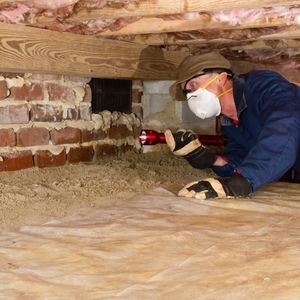
So what do you do with a house that has a termite problem?
Sellers generally have three paths. The first is to treat and repair before listing. This produces the cleanest sale and the widest buyer pool, including FHA and VA buyers, and lets sellers price closer to market. You give up time and money up front. Between the exterminator and the contractor, you could spend several weeks and several thousand dollars before the sign goes in the yard.
Price reduction is the second option. List the property at a discount that reflects the estimated treatment and repair costs, disclose everything upfront, and let buyers factor it in. This works reasonably well in the conventional-loan buyer market, though buyers tend to overestimate repair costs when they’re scared, so the discount they demand tends to exceed what the work actually costs.
The third path is selling as-is to a cash buyer. Hilltop Home Buyer is the kind of buyer built for exactly this situation. Cash buyers don’t rely on lenders who require termite clearance, and they’re accustomed to pricing homes with deferred maintenance and pest damage already factored in. If the math on treating and repairing doesn’t work for your situation, or if time is the real constraint, an as-is cash sale can close fast without requiring you to write a single check to an exterminator first.
A termite warranty can also be part of the sale. Offering to buy a renewable termite bond from a licensed pest management company, transferable to the new owner, goes a long way toward calming buyer concerns, even in an as-is sale.
Is It Hard to Sell a House That Has Had Termites?
The words “termite damage” send buyers walking away before they even hear the details. That reaction is understandable, but it doesn’t tell the full story.
Most buyers who react to termite history are imagining the worst-case scenario: a house eaten to the studs, a foundation compromised, floors caving in. Most termite situations discovered during a normal sale involve localized damage that a qualified contractor can address in days. A treated history with solid documentation, including a current WDI report showing no active infestation and receipts from licensed pest management work, reassures buyers who’re willing to look past their initial alarm.
The harder sells are properties with active, untreated infestations or structural repairs that haven’t been completed. Those require either significant price concessions or a buyer who knows how to scope and price rehab work. That buyer exists, but they’re not browsing Zillow for their dream home. They’re investors, flippers, and buyers like Hilltop Home Buyer who specialize in properties that need work, which means the listing needs to reach the right audience, not just the widest one.
Texas had 5.4 months of inventory in June 2026, down slightly from 5.6 a year earlier and close to the six months most economists call balanced. Buyers still have room to negotiate in a market like that, and a property with undisclosed or unresolved termite damage sits longer and sells for less. A property with a clean disclosure, documented treatment, and a current WDI report can still trade within a reasonable window, even though the damage history stays on record.
Tips for Sellers Dealing With Termite Damage in Texas
If you’re sitting across from me right now trying to decide whether to repair, reduce the price, or sell as-is, here’s what I’d tell you: don’t skip the WDI report, no matter which path you choose.
A current pest inspection tells you whether the infestation is active or historic, which species you’re dealing with, and what the exterminator recommends. Drywood termites in upper framing typically require fumigation with a fumigant gas, forcing residents to vacate the house for a few days. Subterranean termites along the foundation usually respond well to liquid barrier treatments or bait stations. Knowing which problem you have determines your actual cost, and your actual cost determines which selling path makes sense.
Get repair estimates from two or three contractors before deciding. The first quote can be shocking. It rarely ends up being the number that closes the sale.
If you do plan to repair and list on the market, document everything. Keep your pest inspection report, your exterminator’s treatment record, your contractor invoices, and your warranty paperwork together. Buyers’ agents will ask for all of it. A well-organized package of paperwork signals that the problem was handled properly, and that matters to buyers even more than the repair itself (sometimes more than the price).
Sellers who handled termite damage years ago but no longer have documentation face a harder road. If the records are gone, a new WDI inspection showing no current activity is still better than nothing, and some pest companies will inspect and comment on the quality of prior treatment work they can observe.
If you’d rather skip all of this, reaching out to us at Hilltop Home Buyer is worth a chat. We buy houses in their current condition, no repairs required, and we know what termite damage looks like and what it costs to fix.
A landlord I worked with out of Pflugerville had a rental property tied up in a divorce settlement, a Friday closing deadline that kept getting pushed, and a garage full of the previous tenant’s stored furniture nobody had claimed. The termite inspection had flagged subterranean activity under the back bedroom, and neither party in the divorce wanted to coordinate repairs. They sold as-is for cash, closed on a Tuesday, split the proceeds, and moved on. Sometimes the cleanest answer really is the fastest one (especially with two attorneys in the room).
Frequently Asked Questions
Who Pays for Termite Treatment When Selling a House in Texas?
Nothing in Texas law assigns that cost to either side, so it comes down to negotiation. When the buyer is financing, and the lender wants clearance before funding, the seller usually ends up paying, because the sale can’t close without it. Buyers paying cash often take the opposite deal, absorbing the treatment themselves in exchange for a lower price. Knowing which kind of buyer you’re dealing with tells you which conversation you’re about to have.
Do Termites Devalue a Home?
Active, unrepaired termite damage can reduce a property’s value, since buyers will factor treatment and repair costs into any offer they make. A home where the termites were treated and the structural damage repaired generally recovers much of that value, especially with a transferable termite warranty in place. The bigger value hit comes from undisclosed or poorly documented damage that surfaces during inspection.
Do Realtors Have to Disclose Termites?
A Realtor® who has knowledge of termite damage has their own disclosure obligation separate from the seller’s. The seller fills out the TREC Seller’s Disclosure Notice, but a real estate professional cannot knowingly withhold material facts from a buyer. Both the seller and their agent carry responsibility for transparency, so trying to quietly omit termite history puts everyone in the transaction at risk.
Is It a Bad Idea to Buy a House with Termites?
Not necessarily. Buying a house with termite history, or even an active infestation that’s been priced in, can make sense if you understand what you’re taking on. Get a WDI inspection, get contractor estimates on any repairs, and make sure the price reflects the real cost of the work. For buyers who know what they’re doing, a termite-damaged house at the right price is a reasonable purchase.
Selling a house with termites in Texas is a solvable problem. Millions of Texas homes have termite history, and those homes sell every day. If you want to talk through your options and figure out which path fits your situation, we’re here. No pressure, no obligation.
Helpful Texas Blog Articles
- Selling Your Texas Home With Foundation Problems
- How to Sell a House With a Lien in Texas
- What happens to my escrow when I sell my house in Texas?
- How To Avoid Capital Gains Tax When Selling Your House In Texas?
- Can You Sell a House with a Mortgage in Texas
- How To Sell Your House Without A Realtor In Texas
- What Sellers Should Know About Lender-Required Repairs
- Selling a House That Needs Repairs in Texas
- Can You Sell a House With Termites in Texas
- Tenant Damage to Property in Texas
- How Long Does It Take to Sell a House in Texas