
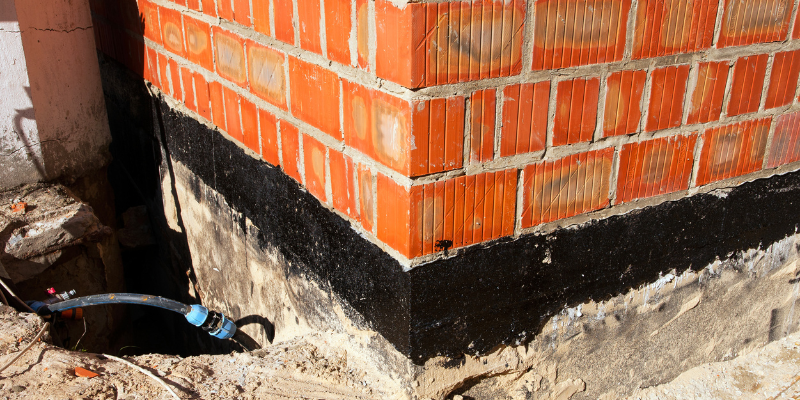
Your foundation’s got problems. The cracks are getting worse, doors won’t close right, and you’re wondering if anyone will buy this house. With more than fifteen years of experience buying houses in Texas, foundation issues are about as common as bluebonnets in spring. Nearly one-quarter of all U.S. homes have foundation damage due to these soils, and Texas leads the pack. But here’s what most agents won’t tell you: foundation problems don’t automatically kill your sale. They just change your strategy.
Common Foundation Issues in Texas Clay Soil and Their Impact on Home Values
Texas soil is notoriously tough on home foundations. Much of the state sits on what engineers call “expansive clay,” also known as “black gumbo” soil. Common in areas like the Dallas-Fort Worth Metroplex, Houston, and Austin, this soil can swell by up to 12% when wet and then shrink significantly during dry periods, causing constant movement beneath homes. In extreme cases, the pressure from this expansion can exceed 10,000 pounds per square foot, enough to seriously stress a foundation over time.
To put that in perspective, it’s like having a small car pressing down on every square foot of your foundation. That kind of repeated push and pull does not just cause minor cosmetic issues; it can gradually shift slabs, crack brick veneer, and separate structural elements if the movement is not managed.
Because of this, Texas experiences some of the most widespread foundation issues in the country, with expansive clay soils contributing to roughly 65% of foundation problems statewide. In neighborhoods across Plano, Richardson, Sugar Land, and beyond, the signs are familiar: stair-step cracks in brick, gaps between walls and ceilings, and doors or windows that stick. The financial impact ranges widely, from a few thousand dollars for minor settling to $20,000 to $50,000 or more for severe structural repairs, making early detection and proper assessment critical before listing a home.
If your home is showing signs of foundation issues from Texas clay soils, you don’t have to take on expensive repairs or delays. Contact us today for a fair, no-obligation cash offer. We buy homes as-is, with foundation problems and all.
Foundation Settlement and Shifting: How Texas Weather Affects Home Sales
Texas weather is schizophrenic. We’ll go from drought to deluge in a matter of weeks. The state’s extreme weather patterns exacerbate these issues: prolonged droughts cause clay soils to shrink and create gaps around foundations, followed by heavy rains that cause rapid expansion. This constant volatility makes maintaining long-term foundation stability especially difficult.
This cycle creates what we call “differential movement” (your house settles unevenly, creating stress fractures and structural problems). Summer drought creates maximum clay shrinkage from June through September, while spring rains (March-May) cause rapid clay expansion. Foundation movement peaks during drought-to-wet transitions, making fall and early winter optimal for repairs when soil moisture stabilizes. Over time, even small shifts can compound into visible structural damage.
Smart sellers time their repairs and sales to coincide with these cycles. If you’re planning to fix foundation issues before selling, late fall through early winter is your sweet spot. The soil’s more stable, contractors aren’t swamped, and buyers feel more confident about foundation work done during stable weather. This timing can also help reduce both repair costs and negotiation pressure during inspections.
But here’s the thing: timing repairs doesn’t always make financial sense. Sometimes, selling as-is to a cash buyer makes more sense than spending months and tens of thousands on repairs. Many sellers find that avoiding upfront repair costs allows for a faster, simpler exit even if the sale price is lower.
Pre-sale Foundation Inspection: What Texas Sellers Need to Know Before Listing
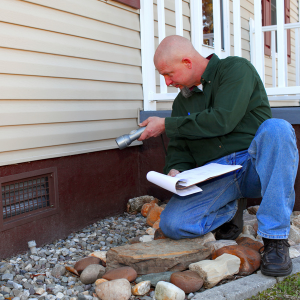
Get your foundation inspected before you list. Period. Skipping it is one of the most expensive mistakes sellers make. I don’t care if you think everything’s fine. Before any repair work begins, a professional inspection is necessary. It usually costs between $300 and $600. That $500 inspection could save you $50,000 in surprises later.
Here’s what a good foundation inspection covers: elevation surveys to measure settlement, crack mapping and severity assessment, soil analysis around your foundation, drainage evaluation, and structural integrity of load-bearing elements. Each of these tests helps reveal issues that aren’t visible at the surface.
The inspector will give you a report that will serve as your roadmap. Minor cracks might just need monitoring. Major settlement requires engineering solutions. I worked with a seller in Frisco who skipped the pre-listing inspection. The buyer’s inspector found significant foundation movement that wasn’t visible from inside the house. What started as a $400,000 sale turned into a $35,000 repair negotiation that killed the transactions. The second buyer’s inspector found the same issues. By the time we connected, the house had been on the market eight months, and the seller was desperate. Don’t be that seller.
Structural Engineer Reports: Required Documentation for Foundation Problem Sales
When foundation issues are moderate to severe, you’ll need a structural engineer’s report, not a foundation company’s sales pitch, but an independent licensed engineer’s analysis. Engineers use laser levels and optical equipment to measure elevation differences with millimeter precision. Variations greater than about 3/4 inch over 40 feet often signal significant movement that may require repair.
The report provides objective data on your foundation’s condition, unbiased repair recommendations, and documentation that can satisfy lender requirements if buyers need financing. It also helps protect you legally by proving you fully disclosed known issues when selling. Buyers and agents often trust this report more than contractor opinions, which can reduce disputes during negotiations.
A comprehensive report typically costs $800–$1,500, and engineers will usually classify issues as cosmetic, minor, moderate, or major. Cosmetic and minor problems rarely affect a sale, moderate issues lead to negotiation, and major structural problems often push sellers toward cash buyers. Having this classification upfront can significantly shape your pricing and selling strategy.
Given the moderate to severe foundation issues outlined in the engineer’s report, Hilltop Home Buyer provides a cash offer covering repair costs and associated risks. While lower than a traditional sale price, it offers a faster, more certain transaction without inspections, financing contingencies, or repair negotiations.
Foundation Repair Costs Vs. Selling As-is: Financial Analysis for Texas Homeowners
Typically, foundation repairs cost between $4,500 and $18,000 across the state, with the average cost in the region at $12,000 due to the city’s clay soil. Out of the four largest cities in TX, which are San Antonio, Austin, Dallas, and Houston, house foundation repairs usually fall in the range of $3,000 to $7,000. The type of soil in that area is the most significant factor that impacts these repairs. Because of severe foundation settlement, the price is likely to increase if a deep pier system or a structural engineer is needed.
But repair costs are only part of the equation. You’re also looking at 3–6 months for permits and work, possible temporary housing if the damage is extensive, the risk that repairs don’t fully resolve the underlying issues, and no guarantee the investment translates into a dollar-for-dollar increase in home value. These delays can also create additional carrying costs, such as mortgage payments, utilities, and insurance, during the repair period.
The other choice is an as-is sale to a cash buyer. That usually means 70–85% of the home’s fully repaired sale value, with a 2–3 week closing period. A cash sale would also remove a lot of the uncertainties that come with a traditional home sale. The removed uncertainties would include the necessary repairs that would be headaches to handle. For home sellers who prioritize a quick cash sale and a simple sale price over maximizing the home sale price, the as-is cash sale is probably the most appealing option.
For example, if your home sells for $300,000 after repairs but needs $15,000 in foundation work, the math can get complicated. After repairs, holding costs, and realtor fees, your net might land around $260,000. Given that, an as-is cash offer of $240,000 may become more appealing when you account for the value of time, the level of stress, and the risk of each option. Market fluctuations or small changes in your repair estimates may shift in an instant, making one option more profitable than the other.
Texas Building Code Compliance Issues Related to Foundation Repairs
In Texas, foundation repair must comply with local building regulations and, in most municipalities, requires permits. This adds costs, time, and complexity to the repairs. Permit fees are only between $75 and $150; however, inspections and required code changes, which may increase the required work, have the greatest impact.
Once permits are secured for foundation repairs, inspectors may require additional work to ensure compliance with current code requirements. This may include an entire overhaul of the electrical systems, increased plumbing to meet accessibility requirements, relocation of HVAC ductwork, and increased insulation and/or a combined vapor barrier. For example, a foundation repair project may cost $10,000; however, the final cost after code compliance may be $25,000 or more.
In many Texas cities, structural engineer involvement is also required. Engineers must stamp repair plans, specify materials and methods, conduct periodic inspections during the work, and sign off upon completion. This typically adds $2,000 to $5,000 to the project, while providing legal protection and increasing buyer confidence. Permitted work also tends to come with stronger warranties, while unpermitted repairs can lead to disclosure issues and financing problems when the property is sold.
Legal Disclosure Requirements for Foundation Problems When Selling Texas Real Estate

Texas disclosure law is crystal clear about foundation problems: if you know about them, you are required to disclose them. Sellers in Texas must disclose any known material defects that could affect a property’s value or desirability, and foundation issues fall squarely into that category. There’s no gray area when it comes to known structural concerns.
In Texas, the official TREC Seller’s Disclosure Notice asks whether the seller is aware of “Previous Structural or Roof Repair,” which includes foundation repairs. The Texas Association of Realtors (TAR) Seller’s Disclosure form is even more specific, directly asking whether the seller knows of any “Previous Foundation Repairs.” Both forms are designed to ensure buyers receive clear information about structural history.
Sellers are required to disclose every material fact, including foundation repairs, concerning past or present foundation issues, including cracks and/or settlement, previous foundation inspections or issues, past or present drainage issues to the foundation, and foundation insurance claims. The buyer is bound to the agreement before the purchase agreement’s effective date, but the seller must note these issues and provide written documentation before the buyer is fully bound.
Failing to disclose known foundation issues can lead to serious legal consequences after closing. Sellers have faced lawsuits, financial losses, and significant legal fees for failing to disclose structural problems. In some cases, disputes over undisclosed foundation damage have resulted in claims exceeding 50,000 dollars. The safest approach is simple: disclose everything you know, clearly and completely, even when dealing with Texas cash buyers.
Pricing Strategy for Texas Homes with Structural Foundation Damage
Pricing a house with foundation problems is more art than science. If you price too high, the home can sit on the market without offers; if you price too low, you risk leaving significant money on the table. These decisions are often influenced as much by buyer psychology as by actual repair costs. The key is balancing repair uncertainty with buyer perception of risk and value.
There are a number of things at play when it comes to pricing, specifically, what the foundation issue looks like, what the local market looks like at the time, what the repair costs are projected to be, how homes with the same defects have been priced out and sold recently, and what kind of buyer is most likely to buy the property (all cash or financed). Each of those will change what the market is likely to realistically support.
Foundation problems usually get discounts of 2-5% for cosmetic cracks, 8-15% for moderate settlement, and 15-25% for major structural issues. There are no hard-and-fast rules for these percentages. In hot markets like Austin and Dallas, buyers discount very little for minor issues, while in slow markets, they discount much more and negotiate for much longer, even for minor issues. In this case, they usually price the homes 10-15% below average, and attract buyers who are aware of the issues and are willing to take on the challenge of the repairs. Pricing the homes below average homes, they mitigate their downside.
Market Timing Strategies for Selling Foundation-compromised Texas Properties
Timing matters when selling a house with foundation problems. In Texas, median home prices rose about 40% between 2019 and 2023, with especially sharp increases in 2021 and 2022, but the foundation repair market follows its own seasonal patterns that can strongly affect both buyer perception and repair availability. This means both pricing and repair timelines can shift significantly depending on when you list. For some sellers, especially those needing a faster exit, working with a company that buys homes in Dallas and other Texas cities can be an alternative to the traditional market.
Fall and winter are generally the best times to sell homes with foundation issues. During these months, soil movement is reduced, which makes structural problems less active and easier to assess. Buyers also tend to feel more confident evaluating a property when conditions are stable, and contractors are often less overwhelmed with emergency repair work. Spring, by contrast, can be more challenging because Texas clay soil expands as moisture increases, making foundation issues more visible and raising buyer concerns just before the most active soil-movement season.
Broader market conditions are also important. In strong seller’s markets, foundation problems are likely to go unrecognized by buyers due to the fierce competition, but in buyer’s markets, the same problems can become the most important negotiation point and can even break a transactions. In 2026, with more inventory, more sellers, and greater affordability stress, the market is more competitive, which likely makes foundation issues even more difficult to navigate than in a tighter market.
Buyer Financing Challenges for Properties with Known Foundation Issues
Foundation problems create serious financing challenges that can quickly become a seller’s headache. Most conventional lenders won’t finance homes with active structural issues, and appraisers typically flag them immediately. Underwriters often require repairs before approving a loan, which forces sellers to either fix the problem up front or negotiate transactions with a much smaller pool of buyers. This can also extend the time a property sits on the market, increasing the seller’s carrying costs.
FHA loans offer a bit more flexibility, but homes must still meet minimum safety and structural requirements. VA loans are more stringent and generally do not approve properties with foundation issues that make them uninhabitable. Homeowners’ insurance also typically does not cover soil movement or foundation settling, so coverage is lacking in all cases. Due to these issues, unanticipated repair costs are usually borne by the seller or the buyer during negotiations.
Consequently, cash buyers monopolize this part of the market due to the absence of lender restrictions or appraisal requirements. Some portfolio lenders or local banks will finance these homes, but options are few. Processed promptly, foundation concerns limit the number of buyers who will engage in fully financed purchases, resulting in lower-value final sales that close faster. Accurate pricing and targeting are essential.
Foundation Problem Negotiation Tactics: Seller Concessions and Credit Options

During negotiations, repair credits at closing can be proposed to the buyers when there are concerns about foundation problems. Buyers will be able to address the issues, and the sale can continue, as their concerns will be satisfied. Each party will be able to work around the other party’s restrictions. This approach is useful when buyers want to manage contractors and are concerned about closing repair issues. Repairs may not be needed after the sale, which could reduce complaints about repair issues at closing.
Another option is an escrow holdback, in which an amount for repairs is placed in an escrow account and released upon completion of the repairs. This is to the buyer’s benefit and assures that the repairs get done. Additionally, this creates an incentive to finish the work and ensure it is done to an acceptable level. This is particularly relevant for repairs that cannot be completed before the sale closes. This also addresses the timing gap between the inspection and the buyer’s possession of the property.
You can also lower the sale price to reflect the cost of foundation problems. This gives buyers immediate value and provides you with a simpler, more certain transaction. Alternatively, you can complete the repairs before closing, which reduces buyer uncertainty but adds time and potential risk to the sale. This route often helps properties show better during final inspections. It may also expand your pool of interested buyers.
Sometimes a hybrid solution works best, with the buyer handling major structural fixes and the seller handling smaller cosmetic repairs. Ultimately, buyers mainly want confidence that foundation issues won’t turn into expensive surprises after closing. This balanced approach can make negotiations smoother and more flexible for both parties. It often leads to faster agreement when neither side wants a drawn-out negotiation.
Insurance Claims and Foundation Damage: Impact on Property Sale Negotiations
Foundation damage is rarely covered by insurance, but when it is, it can significantly influence how you approach selling a home. Coverage typically applies only to sudden, accidental events such as burst water pipes, storm-related flooding (if flood insurance is in place), fire damage affecting the foundation, or impact from a vehicle. Careful documentation of the cause of damage is often key to determining whether a claim will be approved.
Most standard homeowners’ insurance policies exclude foundation issues caused by soil movement, settling, gradual water intrusion, poor construction or maintenance, and normal wear and tear. These are considered maintenance-related problems rather than sudden insurable events. Insurers generally exclude these risks because they develop slowly and are considered preventable with proper upkeep.
Any prior insurance claims involving foundation damage can raise concerns for buyers, signaling possible recurring issues, coverage complications, or higher future insurance costs. It’s important to disclose these claims, since they often surface during the buyer’s insurance underwriting process anyway. Full transparency can help reduce negotiation issues and maintain trust during the sale.
Foundation Warranty Transfer Options for Texas Home Sellers
Foundation repair warranties can be a strong selling point when they are transferable to new owners. Buyers tend to value warranties that cover both materials and labor, are backed by reputable companies, and have clear terms, conditions, and exclusions. This added protection can help reduce buyer concerns about future structural issues. This transferability can also simplify negotiations by reassuring buyers that protection continues after purchase.
Transferable warranties can significantly increase buyer confidence, sometimes adding an estimated $5,000–$15,000 to the perceived value of the home, even if they do not directly affect the home’s official appraised value. This added reassurance can make a property more attractive in competitive markets. In some cases, it can even help a home sell faster. This perceived value can be especially important in older homes where structural concerns are more likely.
To preserve this benefit, homeowners should keep complete documentation, including the original warranty, transfer instructions, contractor details, and any inspection or maintenance records. Proper organization of these records makes the transfer process smoother for both buyer and seller. However, if a warranty is non-transferable, it typically provides no benefit to buyers and should not be used as leverage in pricing or negotiations.
Post-sale Liability Protection for Texas Sellers with Foundation Disclosure Issues
Even with proper disclosure, sellers may still face post-sale liability for foundation issues, so maintaining complete documentation is essential. This includes disclosure forms, engineering reports, repair estimates and invoices, buyer acknowledgments, and related communications. These records help demonstrate transparency and good faith if disputes arise later. Keeping digital backups of all documents can further ensure nothing is lost over time.
A pre-listing inspection by licensed professionals can further strengthen protection by providing an objective evaluation of the property. It supports disclosures with expert findings and reduces reliance on a seller’s personal judgment, showing that information was based on professional assessment rather than assumption. Choosing a reputable inspector with structural experience can significantly enhance the report’s reliability.
Clear, specific disclosure language is also important to avoid ambiguity. Instead of vague terms like “minor settling,” provide precise details such as engineering findings and cost estimates. While “as-is” terms may limit certain claims, they do not remove disclosure obligations, making legal review advisable for complex or high-value properties. This level of clarity can also help build buyer trust and reduce the likelihood of future disputes.
Frequently Asked Questions:
How hard is it to sell a house with foundation issues?
Selling a house with foundation problems is more difficult, but still very possible. The key is to get the pricing right and find the right buyers. Cash buyers and investors often look for these properties for value opportunities. Expect a longer timeline and a price about 10–25% below comparable homes, depending on severity.
Do you have to disclose foundation issues in Texas?
Yes, Texas law requires sellers to disclose known foundation problems. The TREC Seller’s Disclosure form specifically asks about prior structural repairs, including foundation work. Failing to disclose known issues can lead to lawsuits and financial penalties, so it’s always best to be fully transparent when in doubt.
What devalues a house the most?
Foundation issues are one of the biggest factors that lower home value, along with major electrical, plumbing, and roof problems. In Texas, serious foundation damage can reduce a home’s value by about 15–25%, while minor settling may only lower it by 2–5%. The exact impact depends on repair costs, local market conditions, and buyer financing.
How much does it cost to fix foundation issues in Texas?
Foundation repair costs in Texas typically range from $3,300 to $7,000 for moderate repairs, while major structural work can reach $15,000–$30,000+. Simple crack injection may cost $300–$800, while extensive pier installation can cost $25,000 or more. Prices vary based on foundation type, soil conditions, damage severity, and repair method, with Dallas–Fort Worth often on the higher end due to expansive clay soils.
Hilltop Home Buyer understands Texas foundation problems and can provide realistic as-is offers that help you move forward without the stress of repairs and traditional sales. Whatever you decide, start with proper inspections and complete disclosure. Know what you’re dealing with, understand your options, and make the choice that works best for your situation. If you want to talk through your specific foundation situation, Hilltop Home Buyer is here to help, no pressure, no obligation, just straight answers from someone who’s seen it all in the Texas real estate market. Reach out to us at (833) 962-2274.
Helpful Texas Blog Articles
- Selling Your Texas Home With Foundation Problems
- How to Sell a House With a Lien in Texas
- What happens to my escrow when I sell my house in Texas?
- How To Avoid Capital Gains Tax When Selling Your House In Texas?
- Can You Sell a House with a Mortgage in Texas
- How To Sell Your House Without A Realtor In Texas
- What Sellers Should Know About Lender-Required Repairs
- Selling a House That Needs Repairs in Texas
- Can You Sell a House With Termites in Texas
- Tenant Damage to Property in Texas
- How Long Does It Take to Sell a House in Texas