
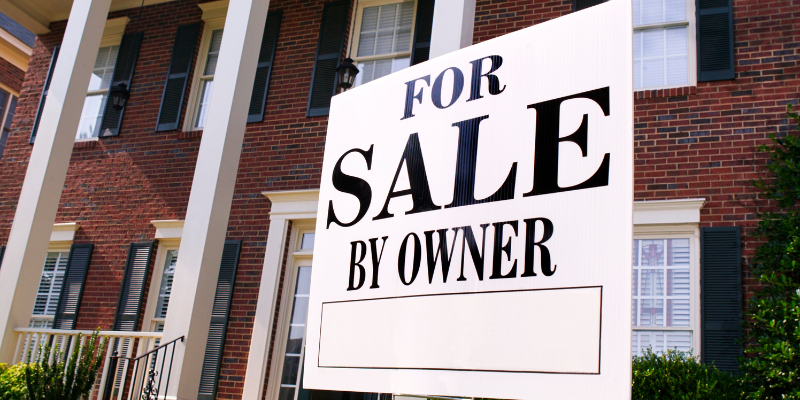
Most people going the for-sale-by-owner route in Texas are surprised to learn that the biggest risk isn’t paperwork. It’s pricing. An overpriced listing in a market like Dallas-Fort Worth or San Antonio sits, collects days on market, and eventually sells for less than a correctly priced home would have fetched on day one. Pricing is the part of FSBO advice that gets glossed over most often, so this guide starts there.
Selling a House Without a Realtor in Texas: What You Actually Need to Know
Homes in Texas are selling at a median price of around $340,000 as of May 2026. The median days on market sits at 64 days statewide, which means buyers have options and time to comparison shop, shifting some leverage their way. Knowing that before you list changes how you price, how you negotiate, and whether skipping a listing agent makes sense for your situation. Texas closing customs also differ from what sellers see in other states. In most markets here, the seller customarily pays for the buyer’s title insurance policy. Many first-time FSBO sellers are surprised when they see it on the settlement statement (sometimes a four-figure line item). It’s not a law, but it’s the expectation, and fighting it mid-contract can cost you the buyer.
The state also has no real estate transfer tax, which is genuinely good news. Pennsylvania charges 1 percent at the state level, and many towns there add a local transfer tax on top. Sellers in Texas avoid that entirely, so the money that leaves your pocket at closing goes to commissions, title work, and prorated property taxes, not state tax collectors. We worked with the Hernandez family out of Sugar Land last month. They were splitting assets in a divorce and needed the sale done fast, without the back-and-forth of a traditional listing. Their house was a 1990s brick four-bedroom with a two-car garage full of lawn equipment neither of them wanted. We closed in under two weeks. The point isn’t the timeline; it’s that understanding their real goal, speed, and simplicity determined which selling path made sense.
What Are the Pros and Cons of Selling Without a Realtor in Texas?

A seller in Plano listed without an agent, priced the house based on a neighbor’s sale from eight months prior, and sat on the market for four months before dropping the price twice. A different seller in the same zip code priced correctly from the start, got three offers in the first weekend, and closed without a listing agent. One zip code, two completely opposite outcomes. Selling by owner works when you go in with clear eyes about what you’re gaining and what you’re giving up. On the upside: you keep the listing agent commission, you control the showings, and you make every call without waiting on a middleman. For sellers who’ve bought and sold before or have some real estate literacy, the process is absolutely manageable (and we would call it straightforward on a clean title).
The downsides are real, though. Buyers working with real estate agents sometimes hesitate to tour FSBO properties because their agent doesn’t get paid unless there’s a commission offer. You’ll handle your own negotiations, which can get uncomfortable when buyers push back hard on price or inspection findings. Do you have three to five hours a week to manage showings, answer inquiries, and track offers? It’s a fair question to ask yourself before you plant that sign in the yard. Financing can also stall things. Buyers whose lenders require a specific contract format or appraisal process may hit a snag if your paperwork isn’t structured right. None of that is insurmountable, but it adds friction that a listing agent normally absorbs.
Before listing your Texas home without a realtor, understand the pros and cons so you can make the best decision for your situation. If you’re looking for a fast, straightforward sale, Hilltop Home Buyer can help. Sellers north of Dallas can also see how cash home buyers in Plano handle a purchase.
How Much Can You Save by Selling Without a Realtor in Texas?
The commission math on a Texas home sale rarely gets stated plainly enough: you’re looking at roughly 6 percent of your sale price walking out the door if you use two full-service agents. Realtor commission in Texas averages around 5.88 percent of the sale price, and that’s on top of other closing costs. Sellers typically pay about 3.26 percent of the home’s sale price in additional closing costs, covering things like title services, escrow fees, and recording charges. Add those together, and a seller on a $340,000 home is giving up somewhere north of $30,000 before walking away with a cent, which tends to hit harder than people expect when they finally see the net sheet. Going FSBO eliminates the listing agent’s cut, which alone saves you around 3 percent. On such a property, that’s over $10,000 staying in your pocket. If you also convince a buyer to handle their own agent’s fee (something the post-2024 NAR settlement rules make easier to negotiate), the savings double.
A flat fee MLS service gives you the best of both worlds. For a few hundred dollars, a flat fee MLS listing broker places your property on the Multiple Listing Service so buyer’s agents can find it. Buyers’ agents still get their cut, but you’re not paying a listing agent percentage. This middle-ground option is one that most FSBO sellers in Texas overlook. One pattern we keep seeing: sellers who pocket the full commission savings sometimes leave money on the table through weak pricing or a missed negotiation point. The math only works in your favor if you’re genuinely prepared.
Selling your Texas house without a realtor could put thousands of extra dollars in your pocket. If you’d rather skip the work and sell quickly, contact Hilltop Home Buyer.
How Does Realtor Compensation Work in Texas?
Some sellers assume that since the 2024 NAR settlement changed the rules, they no longer have to offer the buyer’s agent anything. That’s technically true. But practically, in a market with 64 days on market statewide, cutting off buyer’s agents tends to shrink your buyer pool. Since the NAR settlement took effect in August 2024, buyer-agent compensation is no longer advertised on the MLS, and commission is now negotiated sale by sale. Sellers are not required to pay the buyer’s agent, but in Texas, most still offer to cover it through a seller concession in the contract.
What this means for a FSBO seller: you’re free to offer zero buyer’s agent compensation, offer a flat dollar amount, or offer a percentage. Buyers whose agents expect to be paid will need to either cover that cost themselves or look at other listings that do offer compensation. In a slower market, that’s a real consideration. Real estate brokers in Texas are licensed through the Texas Real Estate Commission, and their commission rates are fully negotiable by law. Nobody sets a floor. If you choose to work with a listing agent anyway, that rate conversation is fair game before you sign anything.
The broker earns their commission by connecting buyers and sellers, marketing the property, and guiding the contract through closing. Without a listing agent, all of that work falls to you.
What Are a Realtor’s Obligations to the Client in Texas?
A seller in Katy came to us after a frustrating listing. Her agent had dual-represented a buyer without fully disclosing what that meant for her negotiating position. She didn’t realize her agent’s fiduciary duty had shifted until after the contract was signed, which meant she had no real advocate at the table when it counted most. Under Texas law, a licensed real estate agent owes specific duties to their client, and understanding those duties helps you know what you’re giving up when you go FSBO. A listing agent has a fiduciary duty to act in your best interest, which includes advising on pricing, disclosing material facts, and advocating during negotiations. Texas uses promulgated contract forms issued by the Texas Real Estate Commission, and a licensed agent is required to use those forms in most transactions (FSBO sellers handle this themselves). You can review those standard TREC contract forms on the agency website.

Without an agent, no one carries those legal duties on your behalf. You become responsible for disclosing material defects honestly, pricing the home appropriately, and negotiating without bias. It’s not a problem for a prepared seller, but it’s something to walk into with open eyes.
One thing many sellers miss: even in an FSBO transaction, buyers often have an agent who has a fiduciary duty to the buyer, not you. The agent will push hard on price, repairs, and closing timeline. Having at least a real estate attorney review your contract gives you some protection.
While FSBO can help you save on commissions, it also puts the responsibility for protecting your interests entirely on your shoulders. Many homeowners choose investor home buyers in Texas for a quicker, hassle-free sale.
How to Price and Market Your Texas Home Without a Realtor
Pricing is where most FSBO sellers win or lose before the first showing ever happens.
A comparative market analysis, or CMA, is what agents use to set a list price. You can build your own version using sold data from Zillow, Redfin, and the county appraisal district website. Pull the last six months of closed sales within a half-mile of your property, similar square footage, bed and bath count, and lot size. Adjust for age, condition, and updates. What comes out is your baseline. Texas metros have been moving toward buyers’ markets, with most homes selling close to the last list price. Your first list price matters more than it did three years ago. Overpricing by 5 percent and expecting to negotiate down rarely works in this environment, because buyers today are comparing active listings side by side and skipping anything that looks inflated.
Marketing without a listing agent means owning every channel. A flat fee MLS listing gets your property in front of buyers who are actively searching with agents. Beyond that, quality photos are non-negotiable; a professional photographer costs $150 to $300, and the return is real. Post on Zillow as an FSBO listing, use Facebook Marketplace, and put a yard sign with a phone number on it (we’ve seen that sign alone generate three calls in a weekend). In neighborhoods like Oak Cliff in Dallas or Alamo Heights in San Antonio, foot traffic and neighbor networks can move a house on their own if the price is right. Open houses work, too, but they require you to be present, prepared, and ready to field questions about the roof, the HVAC, and the school district without flinching.
How to Sell a House Without a Realtor in Texas
Around $300 to $600 is what a standard flat fee MLS listing costs in Texas, depending on the service tier you choose, and that’s a small price for the exposure the Multiple Listing Service provides.

Here’s the full sequence for a Texas FSBO sale. Prepare the home: address the obvious deferred maintenance, clean it out, and get a pre-listing inspection if the house has any age on it (we’ve seen older homes hide surprises that tank sales late). Price it using sold comps, not wishful thinking. Then list it on the MLS through a flat fee MLS broker, push it onto Zillow and Redfin, get the yard sign up, and start fielding inquiries. When an offer comes in, it will typically arrive on a TREC promulgated contract form. Read every line. Pay attention to the financing contingency, the option period, and the closing date. The option period in Texas is a negotiated number of days during which the buyer can walk away for any reason by paying an option fee, usually a few hundred dollars. Buyers use this window for inspections. Don’t waive it without understanding what you’re agreeing to.
Once the contract is executed, open escrow with a title company. Title companies in Texas handle the closing and issue title insurance. They’ll collect the documents, coordinate the payoff of your mortgage, and cut your check at closing. Picking a reputable title company in your area, whether you’re in Houston’s Energy Corridor, Fort Worth’s Eastside, or a smaller market like Tyler, matters because they’re the ones catching problems before they derail your close. After inspections, buyers submit a repair amendment. Negotiate in writing. Everything in a Texas real estate sale should be documented on an addendum, not over text.
What Paperwork Do You Need to Sell a House by Owner in Texas?
What forms do you actually need? Every FSBO seller asks that question, and most resources answer it incompletely. The core document is the TREC One to Four Family Residential Contract (Resale), the standard purchase agreement used in Texas. Beyond that, you’ll need the Seller’s Disclosure Notice, which Texas law requires for most residential sales. The form asks you to disclose known defects, past repairs, environmental concerns, and the condition of major systems. Filling it out honestly is a legal obligation, not a suggestion, and we’ve seen sales fall apart late in escrow when sellers left sections vague.
If the home was built before 1978, you’ll also need a Lead-Based Paint Disclosure. HOA properties require a resale certificate and a copy of the bylaws, so request those documents from the association early since they can take weeks to arrive. If there are any existing survey issues or easements, those should be disclosed in writing. The Texas Real Estate Commission publishes all promulgated forms for free. A real estate attorney can review your completed package for a flat fee, usually a few hundred dollars, keeping you from paying hourly rates while someone reads through every addendum. That’s a reasonable spend for the protection it provides.
Binding contracts in Texas are binding the moment both parties sign. Once you’re under contract, changes require a written addendum signed by both buyer and seller. Verbal agreements about repairs, closing costs, or personal property mean nothing (we’ve watched a sale unravel over exactly this).
The paperwork involved in a Texas FSBO sale can be overwhelming for many homeowners. Instead of navigating the process alone, sell your house fast for cash in Dallas and nearby cities in Texas. Closer to Houston, see how we buy houses in Katy instead.
Frequently Asked Questions
What Are the Risks of Selling a Home Without a Realtor?
Pricing errors are the most common and most costly risk. Without access to a real estate agent’s comparable market analysis tools, FSBO sellers frequently misprice their homes, either leaving money on the table or sitting on the market for months. You also take on full responsibility for disclosures, contract negotiations, and legal compliance, so any mistake in those areas can expose you to liability after closing.
How Much Are Closing Costs in Texas Without a Realtor?
Seller closing costs in Texas, excluding agent commissions, run around 3.26 percent of the sale price. Going FSBO eliminates the listing agent’s commission, roughly 3 percent, but you’ll still pay title fees, escrow, recording charges, and prorated property taxes. Depending on your situation, you may also choose to offer a buyer’s agent concession to attract financed buyers.
Is a Handwritten Bill of Sale Legal in Texas?
A handwritten contract can technically be enforceable in Texas if it contains all required elements: parties, property description, price, and signatures. In practice, though, you should always use the TREC-promulgated contract forms for a home sale. Those forms are designed to handle Texas-specific terms like the option period and seller’s disclosure obligations, and lenders won’t accept anything else for a financed purchase.
What’s the Best Way to Sell Your House Without a Realtor?
Price it right from day one using recently sold comps, get it onto the MLS through a flat fee MLS service, and invest in professional photos. Handle every step in writing using TREC forms, and open escrow with a reputable title company early. If your situation involves any complexity, such as liens, estate issues, or a tight timeline, get a real estate attorney to review your contract before you sign.
If you want to talk through your options, Hilltop Home Buyer is here to help. Whether selling by owner makes sense, listing with a real estate agent is the better choice, or selling directly to a buyer is the right fit, it’s worth exploring your options before committing to a path. There is no pressure and no obligation, just honest guidance from a team that has helped homeowners navigate the selling process across Texas. Contact us at (833) 962-2274 today to discuss your situation and learn about the options available to you.
Helpful Texas Blog Articles
- Selling Your Texas Home With Foundation Problems
- How to Sell a House With a Lien in Texas
- What happens to my escrow when I sell my house in Texas?
- How To Avoid Capital Gains Tax When Selling Your House In Texas?
- Can You Sell a House with a Mortgage in Texas
- How To Sell Your House Without A Realtor In Texas
- What Sellers Should Know About Lender-Required Repairs
- Selling a House That Needs Repairs in Texas
- Can You Sell a House With Termites in Texas
- Tenant Damage to Property in Texas
- How Long Does It Take to Sell a House in Texas